When you are a founder, you are always looking at your tools, your subscriptions, your monthly burn - and asking yourself if there is a better way. Last month I canceled the WebFlow CMS plan, team plan, and hosting, 3 LinkedIn automation tools, and 2 lead-gen subscriptions. All of them. Same week.
But I had been running Claude Code on our dev repos for 2 weeks and kept having the same thought: why are we spending $150/month across all these tools when agent teams can get us better results, at scale, to multiple problems - and not just for me, for each team member?
So I pushed hard, everyone in the team adopted AI, and we set up the foundations. We built a second brain, soul, and memory files per repo. The first thing to do was - all projects outside dev should also be a GitHub repository. We manage everything as code, and that is the key. And the question became simple - can I repo it? If yes, we build it. If not, then we buy it.
2 weeks later, here is what happened.
2 days, new website
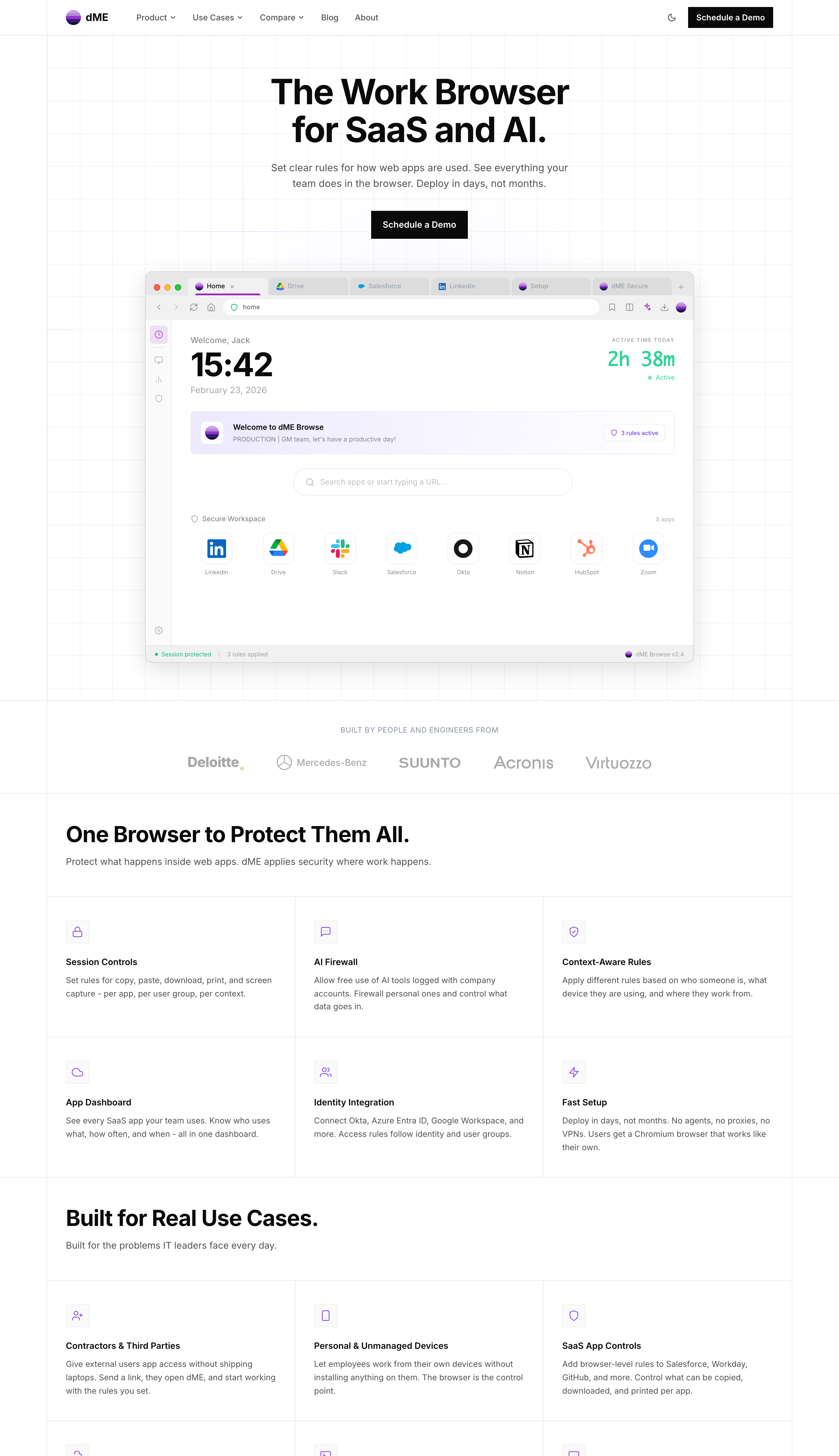
There was day and night between the old website and the new one. We were using WebFlow, paying for CMS plan, hosting plan, and team plan. We used a template and the more we changed, the more things broke and the whole thing became unmanageable. Even creating a blog post was a mess. I couldn't even update the layout anymore.
We set up a website repo, pointed agent teams at it, and shipped:
- Multi-language support with IP detection to show ES or EN
- Dark and light mode
- Our own database to gather emails and send Slack and Telegram notifications with a lead score
No paying multiple tools for this. We were already getting a better ROI on the cash spend.
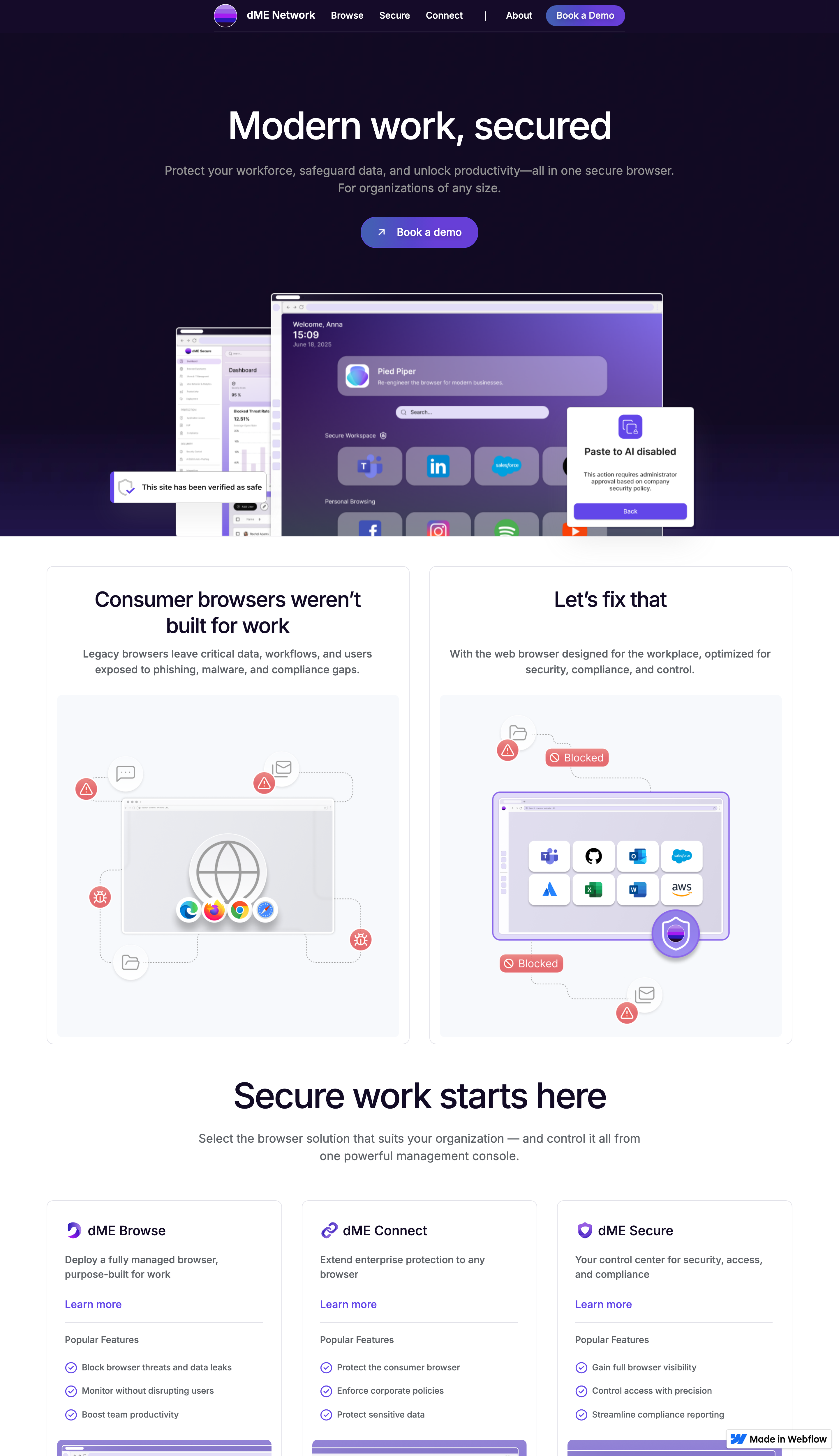
One of the agents analyzed our other repos, studied the UI of our products, and built an interactive browser on the hero section displaying different tabs. All tabs are interactable - you can drag them, click things inside, and it shows a look and feel of our products, dME Secure and dME Browse.
I kept going and added easter eggs, and other cool things (click 8 times fast on the word ALL in one of the sections, and you will see Gandalf), because why not? Now we can give the personality we want to our website, products and services. We can do anything we envision, and that is the key. In a few hours I started shaping things the way I want, with my vision, and my identity. I don't need to pay external agencies to build a website because it's not a priority for the devs. At this point the ROI was even bigger.
Just see the difference on the website by yourself: new website vs the old one.
Drag the slider to compare
LinkedIn outreach automation
In parallel, we created an automation for LinkedIn outreach. An agent analyzing our different repos gets a solid understanding of our ICP. We built a team of 6 agents and 1 team leader. The team leader decided to build a database, copywriter personas, and competitor intelligence, among other things.
The flow is straightforward. The agent opens the browser, goes to my LinkedIn, analyzes new connections that fit our target audiences - Chile and Finland ICPs - and starts interacting and sending messages based on their profiles. We get a 34.7% connection acceptance and 16.4% reply rate. When someone replies, I get a Telegram notification and I take over. The agents also find 20 new ICPs daily and send connections. Everything gets logged into a database - moves, time to reply, messages needed before getting a response - all for analytics.
We were getting blocked on Apollo ALL THE TIME, but not here. Why? We added a "humanized" agent that replicates all actions and movements as I'd do it, with natural browsing patterns and timing.
So how do we actually run this? 2 ways. If I'm at my laptop, I run the command from the terminal - something like "Daily FI follow up and new ICPs" in the repo. But the real unlock is when I'm away. At the gym, going for a walk, or just taking a 30-minute break. We built a Telegram bot that can open the CLI on the particular repo and execute the command remotely. I send a message from my phone, the agents start working. That's it. We delegated a manual task that I couldn't even do daily for various reasons.
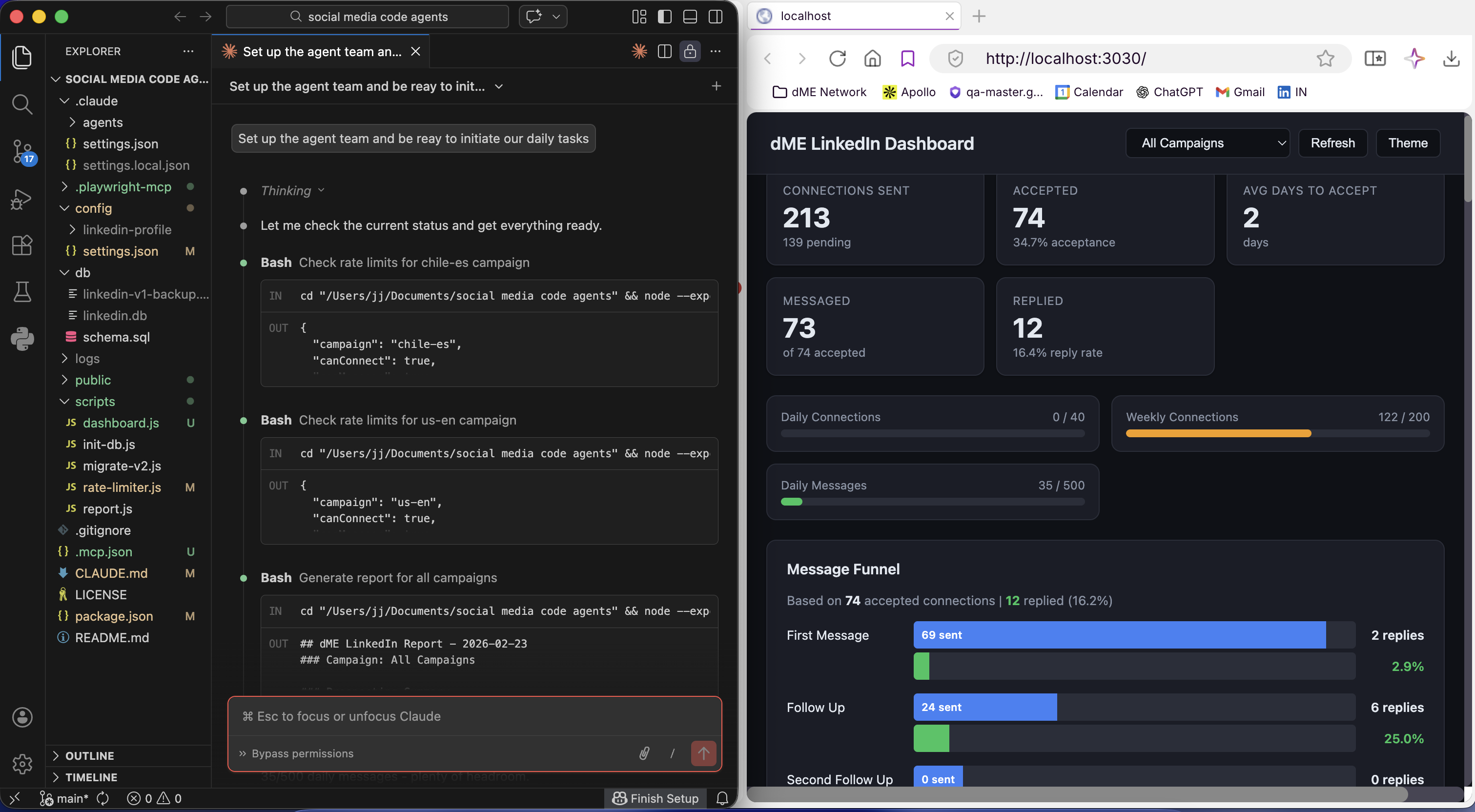
(There are 4 more on a manual messaged category that is not visible on this picture.)
Here comes the good part - product UX/UI
We were following the classic process:
┌─────────────────────────────────────────────────────────────────┐
│  CLASSIC PROCESS                                 ⏱ 3-4 WEEKS   │
├─────────────────────────────────────────────────────────────────┤
│  Define task → Delegate to designer → Back and forth for 1w+    │
│  → Not optimal, but ship it → Add to GitHub sprint              │
│  → Delegate to developer → 3 to 4 weeks before shipping        │
├─────────────────────────────────────────────────────────────────┤
│  NEW PROCESS                                    ⏱ 30 MINUTES   │
├─────────────────────────────────────────────────────────────────┤
│  Agent team researches docs, competitors, repos + ICP (10 min)  │
│  → PM iterates (20 min) → Task is in the sprint                │
└─────────────────────────────────────────────────────────────────┘
It involves too many people and takes productive time out of everyone. Right? But guess what, there is no need to delegate this to a developer as they are working on other things, also with AI, on more complex things or other features. Here, PM or myself get to work on a particular task, and it gets done at EOD or next day. Commit, push, test, move on.
Now not only devs are more efficient, we are also adding more capacity. CLAUDE.md and the memory file know exactly our design rules, padding, fonts, and all of that, so the crazy part is that it is not even a topic anymore or a thing to worry about. The shared brain knows that and we are building always on brand. I can't emphasize enough how insane this is. We literally did probably 2 months of work in 2 weeks.
We redid the update modals and all logins across our apps to something that looks and feels right. We created a whole new process to allow our customers' end-users to just go to a link and set up their corporate browser with a magic link. Before, it was an email with lots of manual instructions. Nobody wants that. Just give me magic links, and that is what we shipped in a few days. The only thing we needed was to have one of the devs set up the API for that and that's it.
I did this while I was flying to London. Landed and shipped. That's it.
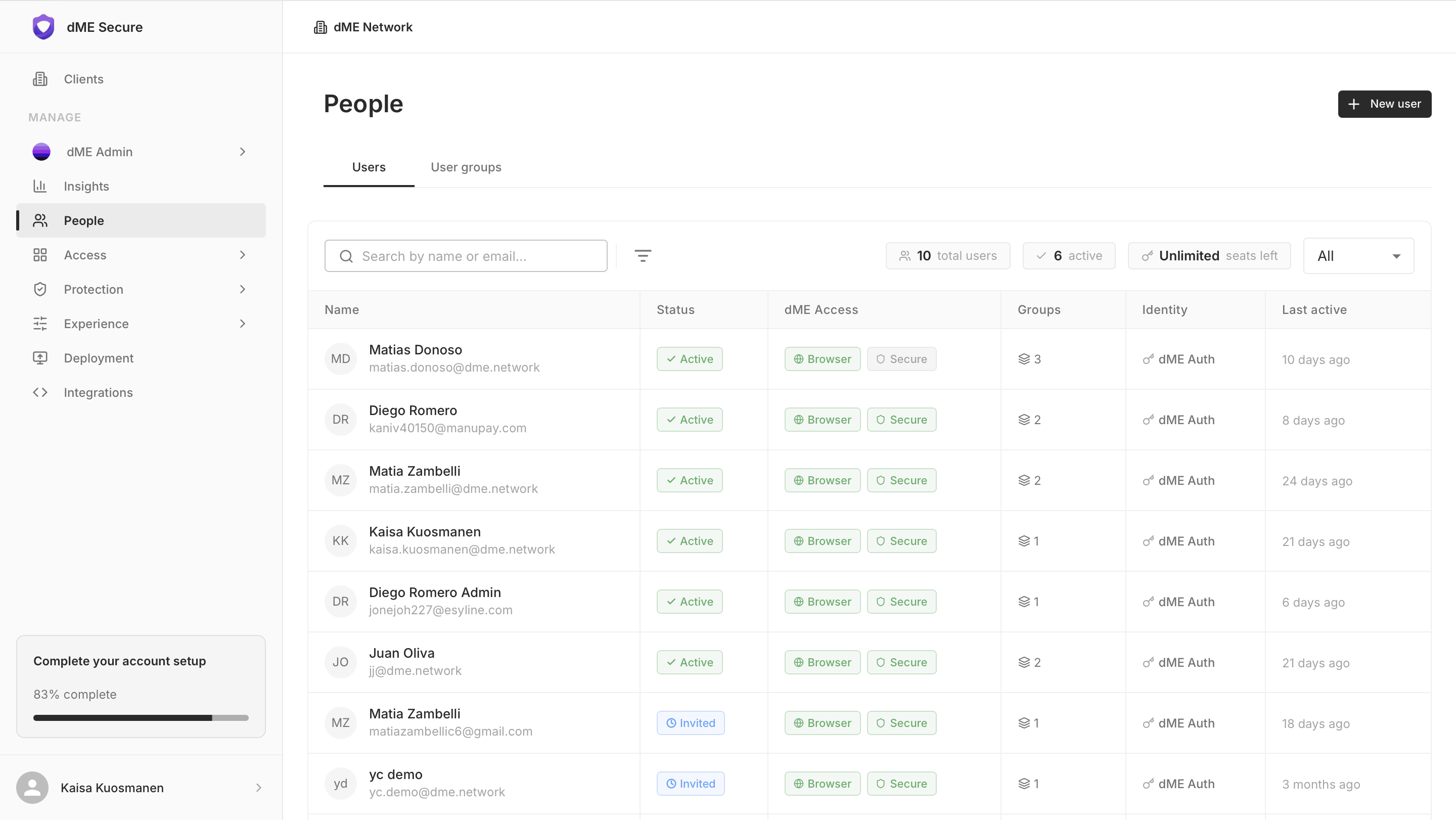
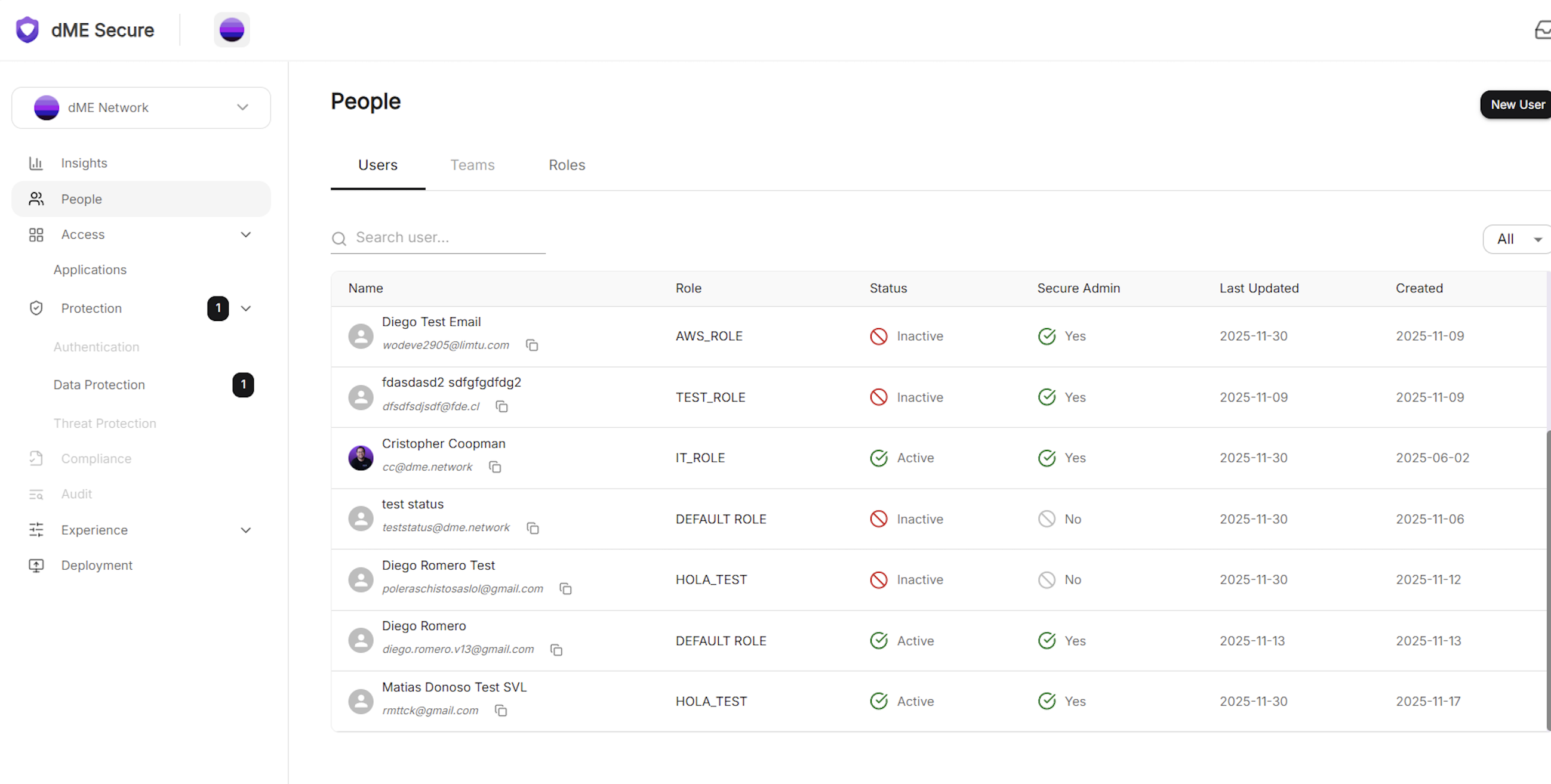
When I started testing, I redid our "people" page design. I really liked it and based on that I created the design memory for the agents. Here are the starting points, before and after.
It's crazy, I think I played around 3 hours here. Using that, our PM was able to redo the whole UX/UI of dME Secure in a week. All sections, functionalities, and more. Devs needed only to integrate the API of the new sections like User Groups, previously just "Roles". Here are some examples of how it looks. I can't even tell you how long this would have taken on the previous route. With the memory design file, we are skipping and accelerating so many parts of the process, probably 95% of it.
Drag the slider to compare
Some of the users shown are sandbox testing accounts used for demo purposes only.
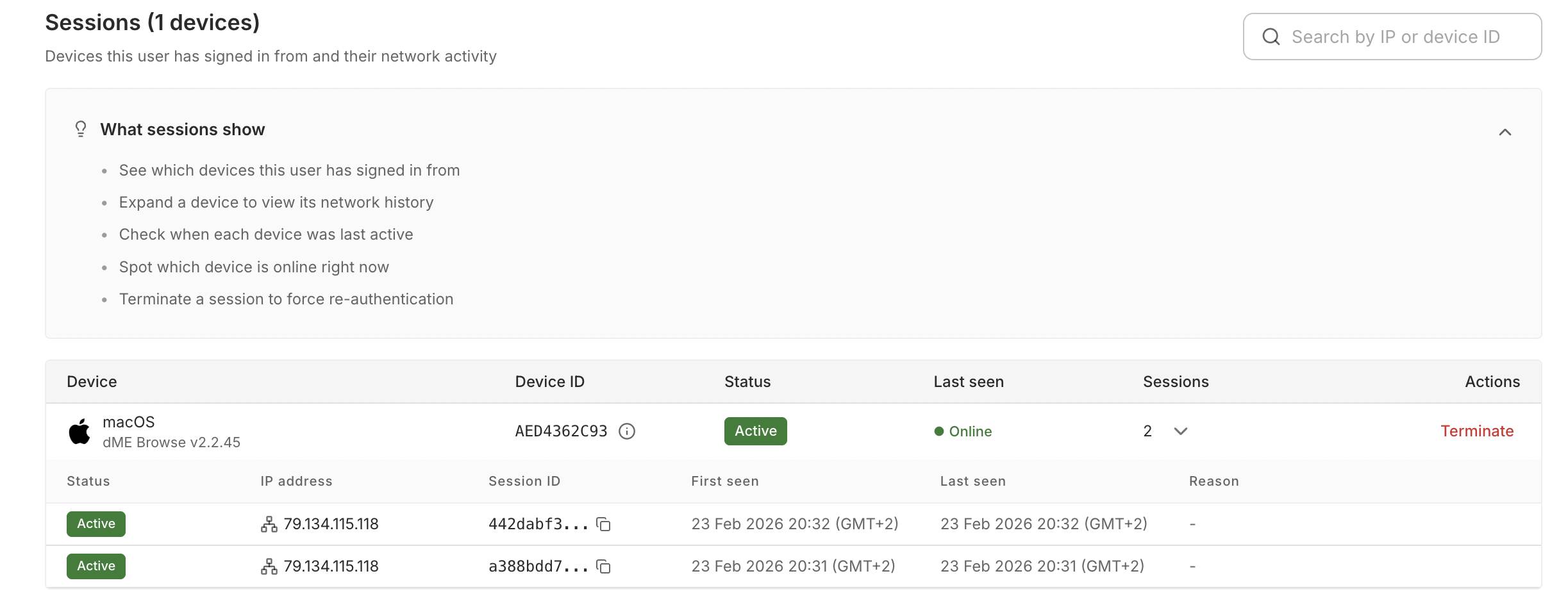
Sessions - from idea to live in 3 days
This feature was not working properly, especially with Okta integration. Why? Well, it was super simple and was left behind between all the other priorities. It showed basic information only for dME Auth users, and by basic, I mean super basic. Not even going to share a picture here.
So what did we do? We worked as a team on this. Me and PM defined a completely new improved way for it. We prompted it and redesigned it completely. The challenge was, the new version required a completely different set of APIs we didn't have, and it was around 1 to 2 weeks of work. But our devs + Claude were able to have it in 2 days and it worked absolutely great. So we shipped in 3 days after testing and that's it.
The learning and AHA moment for the whole team at this point was:
"Ok, now I get it with why the CEO is going so crazy about this. We shipped something done in the best possible way, it looks and feels modern and as we want, and in no time. We can exponentially increase our productivity with this."
So at this point, we are communicating across the team that whenever we need a new feature, a new tool we want to buy, or a new role filled, we only need to ask:
"Can we repo it?"
Can we create agent teams, team leaders, departments, memory files, use our second brain for this?
That's when I realized this wasn't just about individual wins. It was a whole new way of running a company.
The system behind it
Here is how it actually works. Every repo has its own CLAUDE.md, memory files, and agent teams. I'm the team leader across all of them:
┌────────────────────────────────────────────────────────────────────────────────┐
│                        Juan (CEO / Team Leader)                                │
│                  Claude Code + Opus 4.6 on every repo                          │
│                                                                                │
│   ┌────────────────────────────────────┐  ┌─────────────────────────────────┐  │
│   │  Website · SEO Team (6)            │  │  Website · Web Team (5)         │  │
│   │  Strategist · Technical SEO        │  │  Design Lead · Frontend Dev     │  │
│   │  Content · LATAM                   │  │  Content · i18n · QA            │  │
│   │  Analytics · Links                 │  │                                 │  │
│   └────────────────────────────────────┘  └─────────────────────────────────┘  │
│                                                                                │
│   ┌────────────────────────────────────┐  ┌─────────────────────────────────┐  │
│   │  Marketing (16 agents)             │  │  LinkedIn Outreach (7 agents)   │  │
│   │  Lead: Brand Strategist            │  │  Lead: Team Leader              │  │
│   │  Intel · Copywriting · Video       │  │  Lead Scoring · Outreach        │  │
│   │  Ghostwriter · Creative Dir        │  │  Follow-ups · Humanized         │  │
│   │  Sound · Engagement                │  │  Browsing · Telegram Bot        │  │
│   └────────────────────────────────────┘  └─────────────────────────────────┘  │
│                                                                                │
│   ┌──────────────────┐  ┌──────────────────────────┐  ┌────────────────────┐   │
│   │  dME Secure       │  │  dME Browse (Desktop App) │  │  Product APIs      │  │
│   │  + Claude agents  │  │  + Claude agents          │  │  + Claude agents   │  │
│   └──────────────────┘  └──────────────────────────┘  └────────────────────┘   │
│                                                                                │
│   Each repo: CLAUDE.md (brain) + memory files + soul files                     │
│   All repos share intelligence across teams                                    │
└────────────────────────────────────────────────────────────────────────────────┘
Every single one of these runs on Claude Code with Opus 4.6. The marketing agents know what the website team shipped, the website agents know the ICP from the sales repo. They share a second brain.
What is a CLAUDE.md? Think of it as onboarding docs for your AI colleagues - it tells agents how the project works, what the design rules are, what the brand voice sounds like. Memory files store context that persists across sessions. Soul files define the agent's personality. Together, these three files turn a generic AI model into a team member that knows your company.
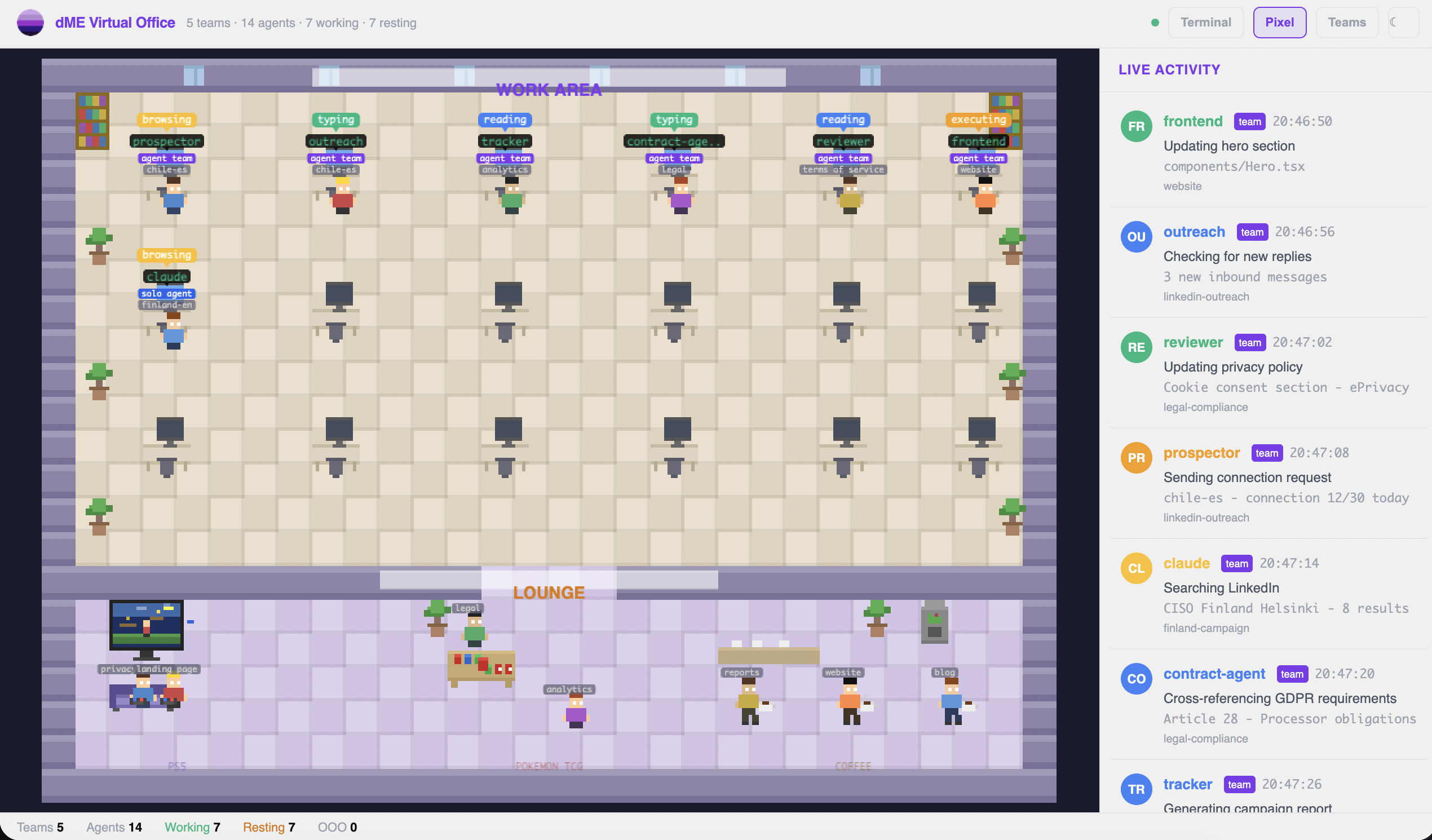
I also built a pixel virtual office to see all my agents, what they are doing, and have some cool visuals to share on this post. I will later connect my team's agents into one single virtual office for all of us.
What is next
We were managing different environments and that was really slowing us down. So our infrastructure team made the decision to unify everything - development, QA, and QC into a single deployment pipeline. One push and every service updates. After 2 months of work, it is ready - now we are testing and will ship this week. This sets us up to scale and serve our customers better and faster. Starting March, we are building SDR agents that handle outbound email campaigns and fill info into Salesforce. The system is in place. Now we scale it.
So, is this post written by AI or myself?
Here is the funny thing - it was written 100% by me. All new posts are written by me instead of the previous ones by AI. But why?
Because I have an agent that logs everything I write into a memory file. Over time, it learns my communication style - the way I structure ideas, the words I lean on, the rhythm of how I write. It's not about replacing me. It's about helping me stay authentic at scale.
What does that actually look like? When our LinkedIn agents draft a post, they write in my voice because they've studied how I communicate. When I need something proofread, the agent catches things that don't sound like me. When I need a first draft for something I don't have time to write from scratch, it gives me a starting point that already sounds right - so I can edit and refine instead of starting from zero.
The result: the LinkedIn post we ship about this will be drafted by the agent but will sound exactly like me - because it learned to maintain my voice, not replace it. That's the difference. It's a writing partner that keeps my brand consistent no matter how fast we move.
While I write this, our website agent is building a support section for each product, and PM is building the "help" section on the products. The sprint hasn't even started and we are already shipping. That's the thing about this way of working. Ideas don't sit in a backlog for months. They get repo'd and shipped.
So after all of this: can we repo it? Probably yes.